
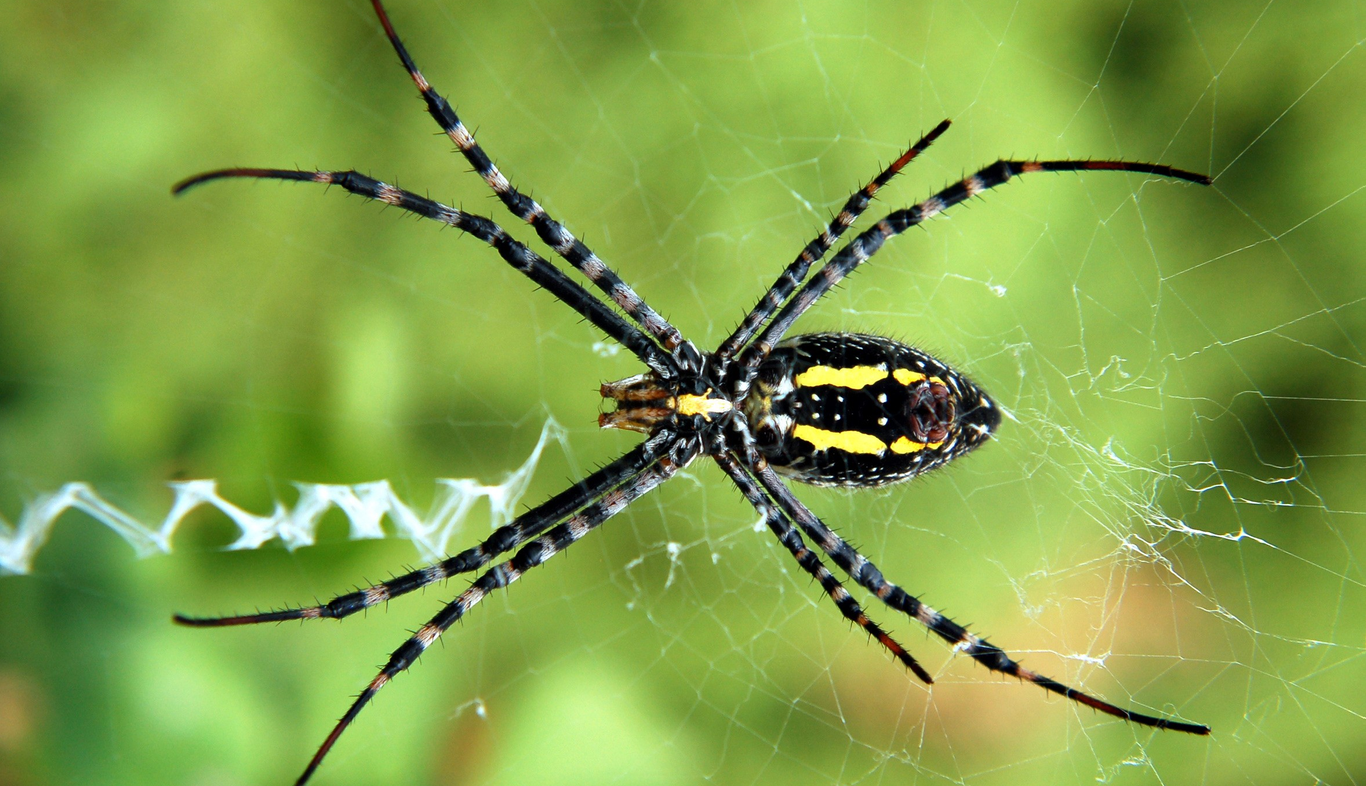
Spiders are among the most misunderstood animals on Earth. They are often associated with fear, dark corners, and dangerous bites, yet the vast majority of spider species pose little or no threat to humans. In reality, spiders are highly adapted predators that play an important role in ecosystems around the world.
Scientists have identified tens of thousands of spider species, and they can be found on almost every continent. Some live in forests and deserts, while others have adapted remarkably well to gardens, buildings, and homes. Their shapes, colors, hunting techniques, and behaviors vary enormously.
One of the most remarkable things about spiders is the way they hunt. Many species build intricate webs to catch insects, but not all spiders rely on silk traps. Jumping spiders actively stalk their prey and can leap several times their own body length. Wolf spiders chase prey across the ground, while trapdoor spiders wait underground for the perfect moment to strike.
Spider silk is another extraordinary natural material. Depending on the species, spiders use silk to construct webs, protect eggs, create shelters, travel through the air, and secure themselves while moving. Despite its extremely small diameter, spider silk can be exceptionally strong and flexible.
Spiders are also valuable members of the natural world because they help control insect populations. By feeding on flies, mosquitoes, moths, agricultural pests, and other small creatures, spiders contribute to the balance of many ecosystems.
Of course, a small number of spider species can deliver medically significant bites. Learning how to identify local species and understanding their behavior is therefore more useful than simply fearing every spider we encounter.
This site is dedicated to exploring the world of spiders—from familiar house spiders to unusual species found in remote habitats. We will look at identification, behavior, webs, hunting strategies, habitats, myths, and the remarkable adaptations that have allowed spiders to survive for millions of years.
The next time you notice a spider quietly sitting in a web or moving across a wall, take a closer look. Behind its unusual appearance is one of nature’s most successful and sophisticated predators.